EMS (Electromagnetic Seat) treatment
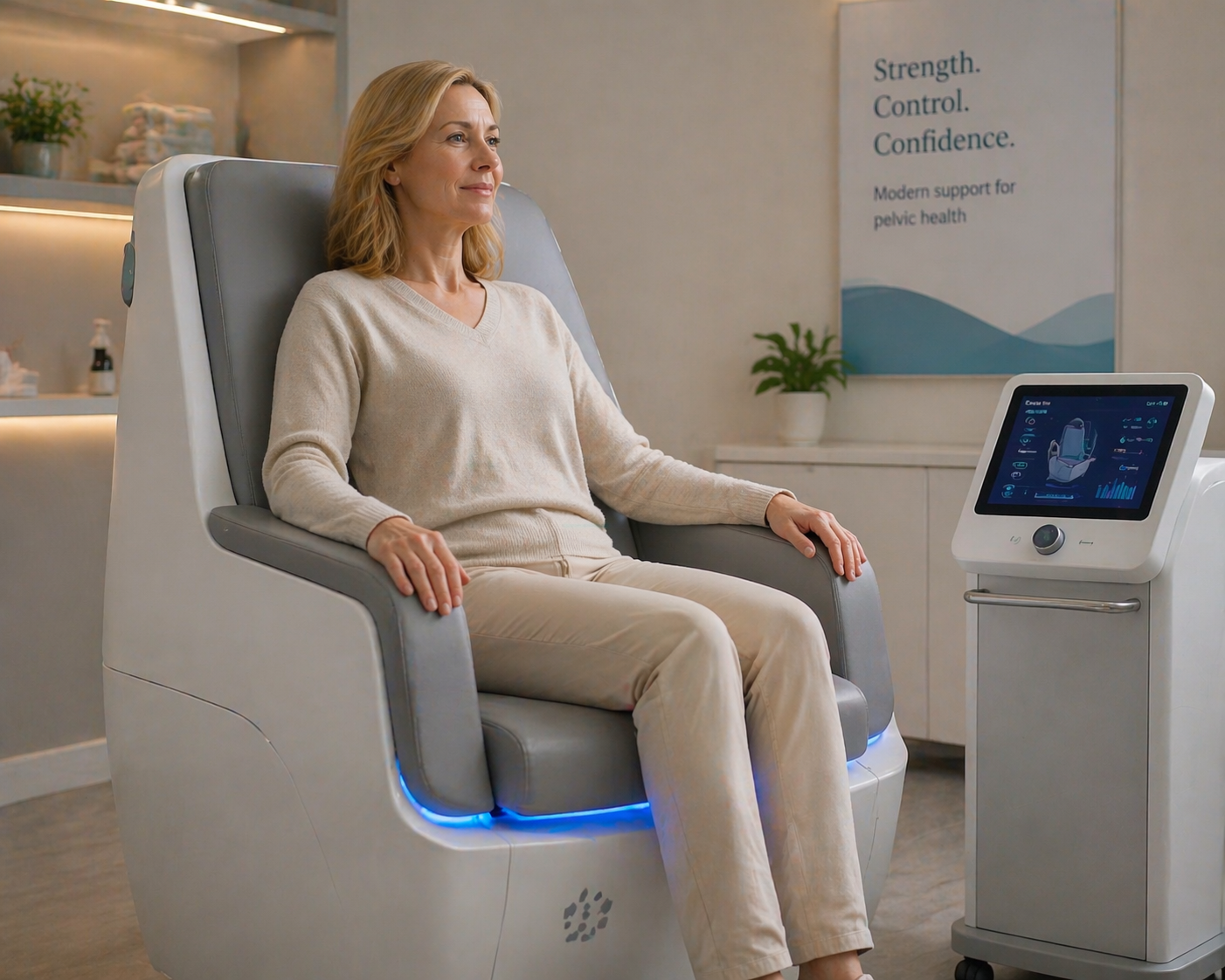
At the heart of this approach is EMS treatment, which supports one of the body's most important systems for control the pelvic floor.
What the pelvic floor does
The pelvic floor is a network of muscles that supports the bladder, bowel, and aspects of sexual function. These muscles help the body respond when pressure rises, urgency sets in, or things feel briefly out of control. Support such as Incontinence Direct pelvic floor therapy can play an important role in helping people understand and strengthen this part of the body. When they become weaker or less coordinated, symptoms can begin to appear.
For some, the change is gradual. They may notice leakage with a cough, sneeze, laughter or exercise. For others, the issue shows up as urgency or frequency, or as a quiet sense that the bladder or bowel no longer feels as dependable as it once did. Some also experience intimacy-related concerns. The specific symptoms may vary, but the body is often asking for the same thing: support.
How the treatment works
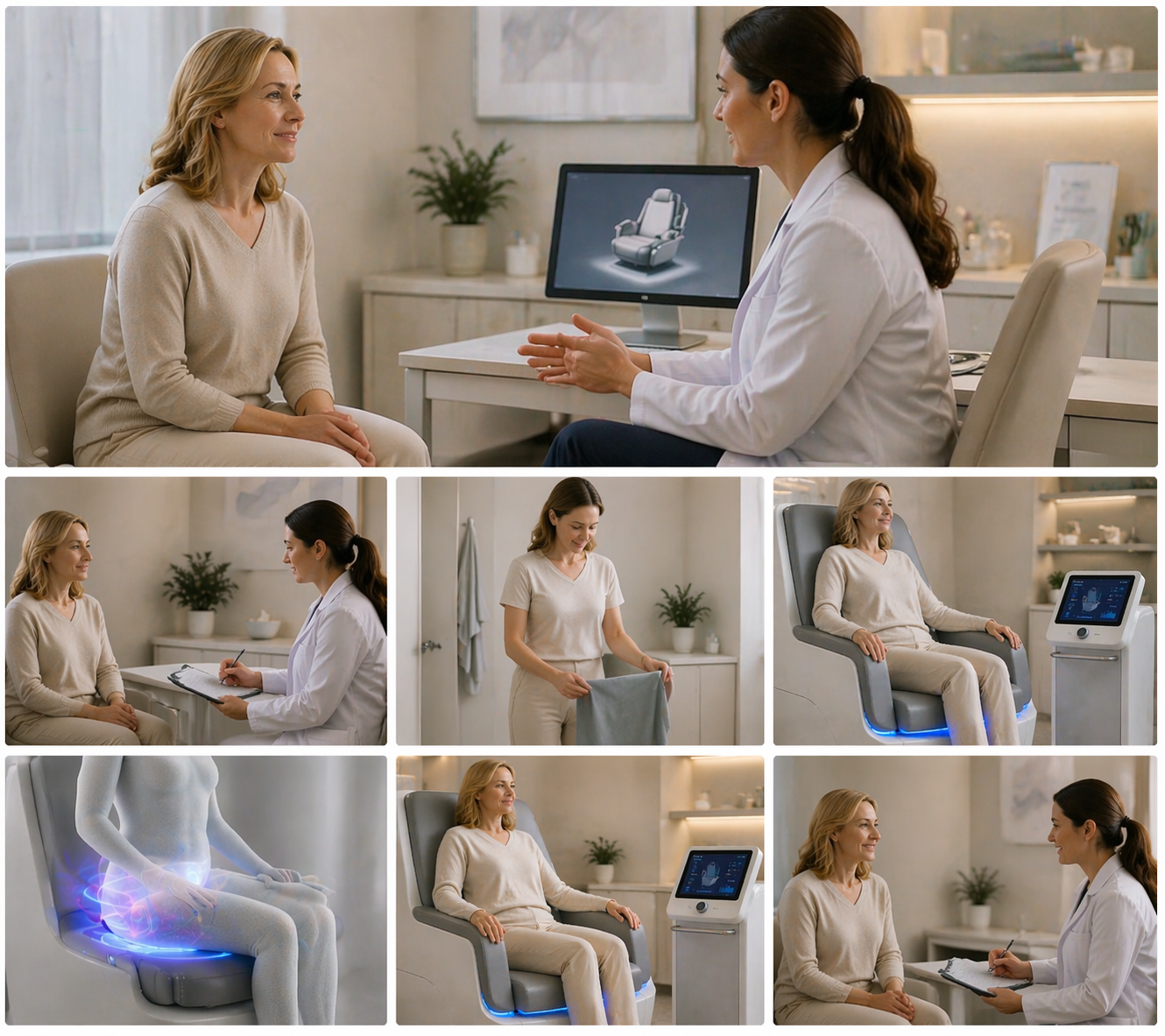
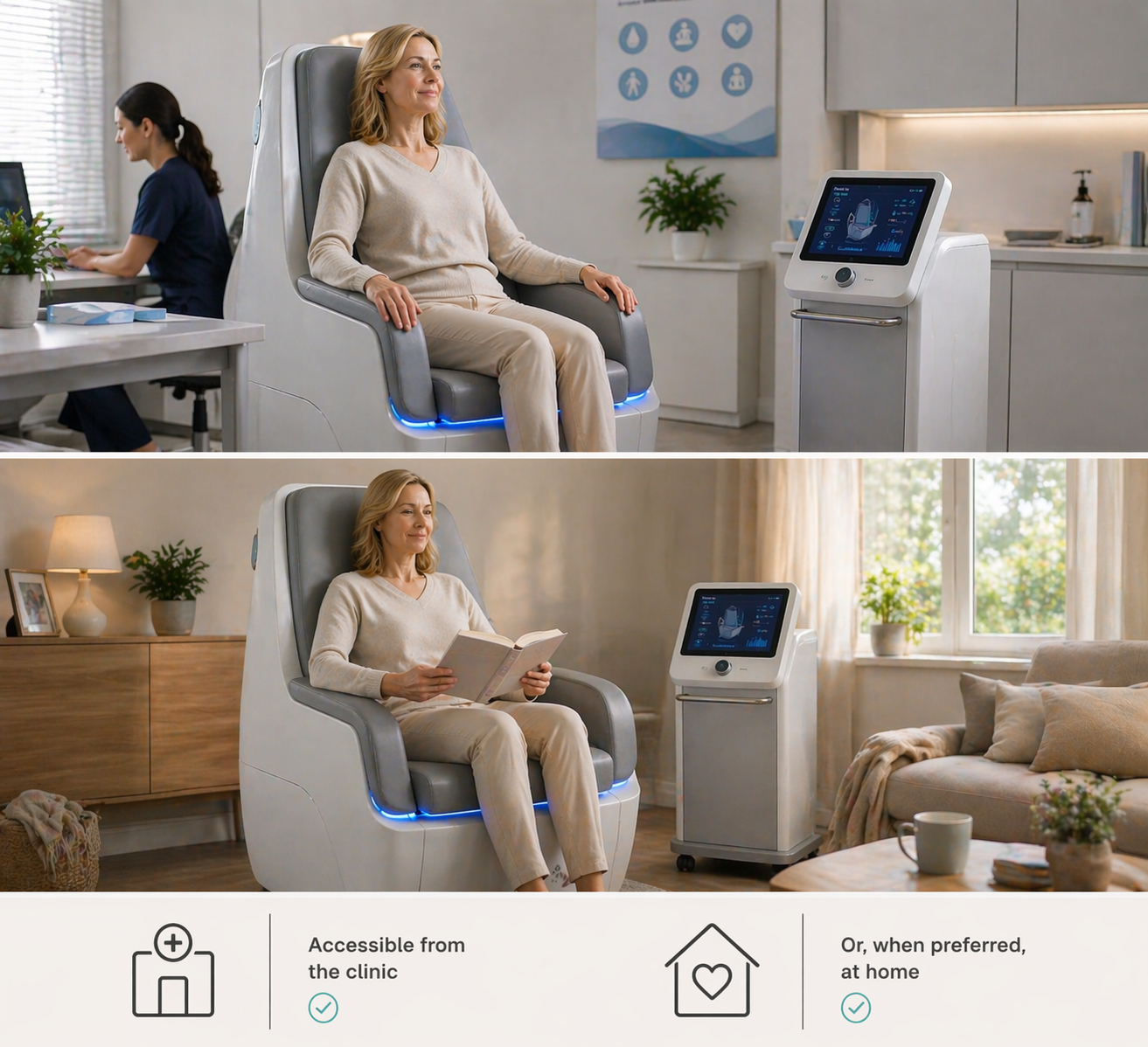
EMS treatment brings that support in a modern, non-invasive way. While seated comfortably on a specially designed chair, electromagnetic energy stimulates the pelvic floor muscles throughout the session. The muscles contract and relax in a controlled pattern. This allows for repeated muscle activation without requiring the person to manage complex exercises themselves.
That difference can be significant. Pelvic floor exercises are well known, but not everyone feels confident they are doing them correctly. Even with classes or guidance, consistency can be a challenge. Some people feel discouraged when results seem slow or subtle. EMS treatment offers a more defined alternative. It quietly removes some of the guesswork. It is also designed to feel private and dignified. There is no medical or surgical procedure. There is no downtime. There is no disruption to the rhythm of the day. The person remains fully clothed. The atmosphere is calm, not imposing.
What builds over time
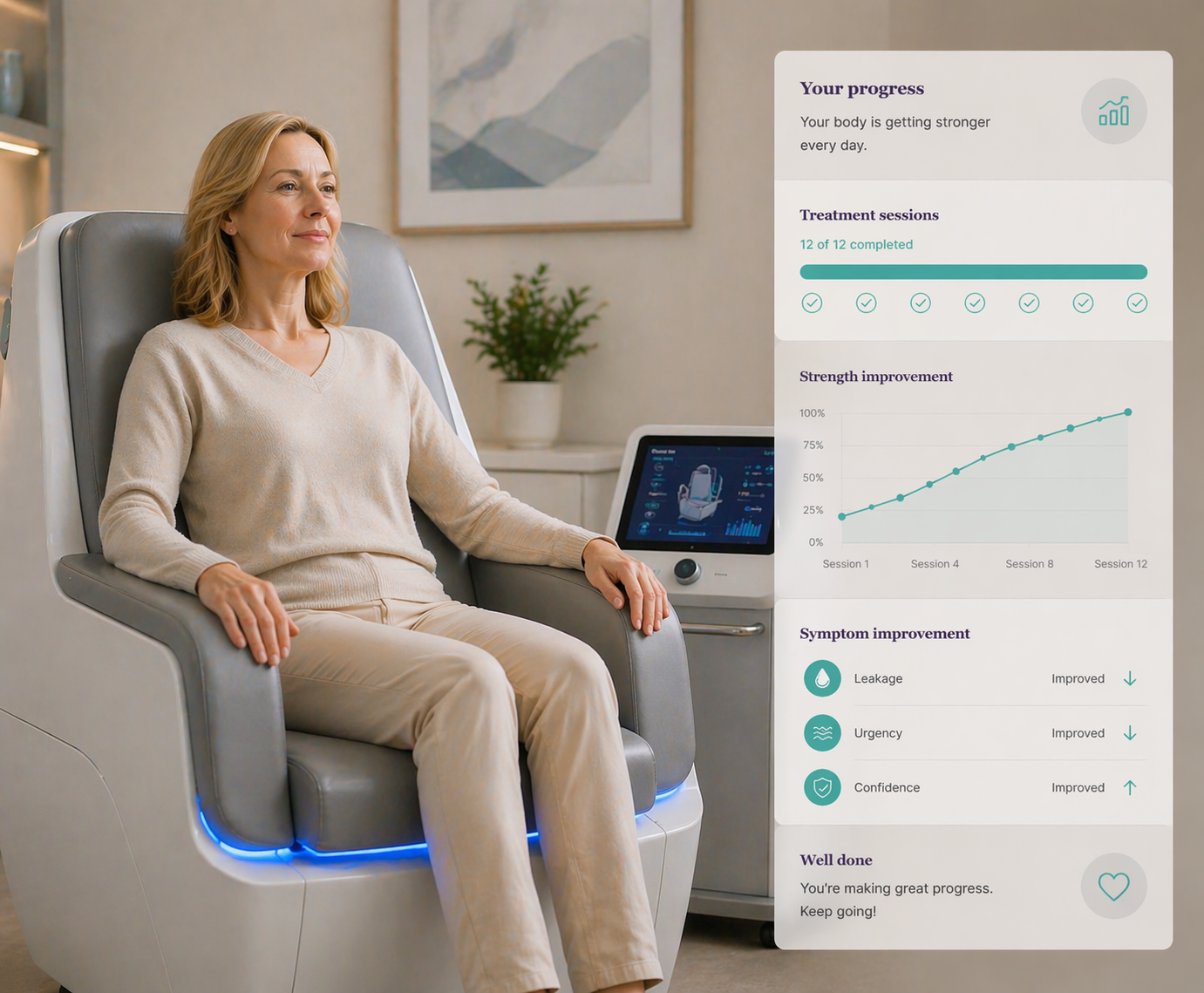
With repeated cycles of stimulation, the muscles gradually improve in strength, coordination and responsiveness. This can lead to better control, a reduction in symptoms, and renewed confidence in daily life. For many, the true value is not only muscular. It is about what better muscle function allows life to feel like again. It can mean stepping outside without that background concern. It can mean moving more freely. It can mean feeling less followed by the symptom and more in charge of the day.